When people think about improving a home’s curb appeal, they often picture a complete landscaping makeover, a freshly painted front door, or an expensive new driveway. Those things can certainly make a difference, but you don’t always need a major project to make your home look better from the street.
Sometimes, the smallest details have the biggest visual impact.
A couple of well-placed planters near the front door, a little greenery around the walkway, or a few outdoor decorations that actually complement the house can completely change the way a property feels. Plants and outdoor decor have a way of making an exterior look more lived-in, welcoming, and cared for without requiring homeowners to tear everything apart and start over.
The trick is knowing what to add, where to put it, and when to stop.
Start With the Area People Notice First
The front entrance is usually the best place to begin. It is naturally the focal point of the exterior, and even a small porch can become much more inviting with the right combination of plants and decor.
One simple approach is to place matching planters on both sides of the front door. The symmetry creates a clean, balanced look and works particularly well if the rest of the exterior is fairly simple.
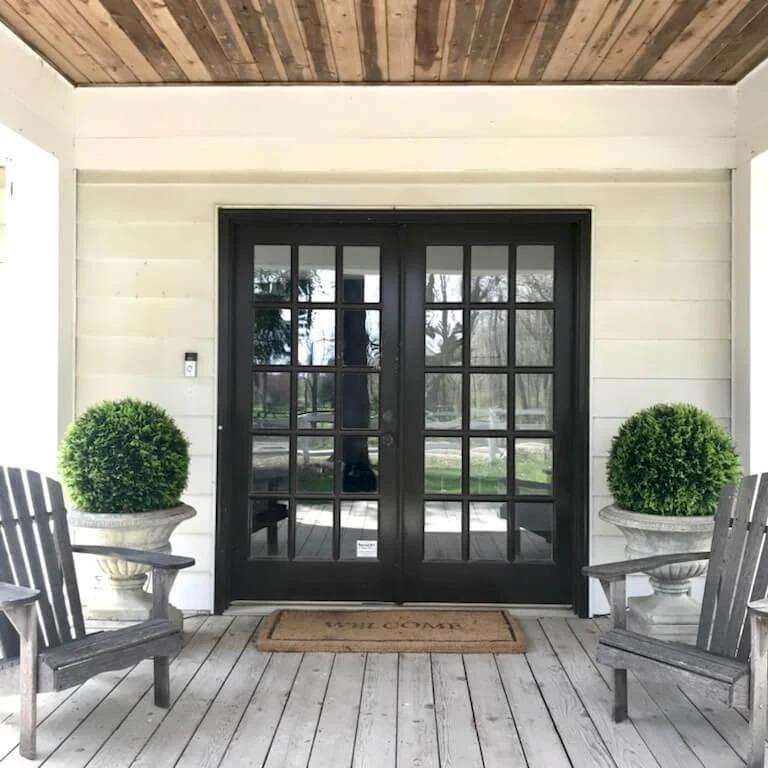
But matching isn’t the only option.
If your home has a more relaxed or rustic style, two different planters with similar colors or textures can create a more casual appearance. You might also place one larger plant on one side of the entrance and a smaller decorative piece on the other.
The goal isn’t to follow a strict decorating rule. It is to make the entrance feel intentional rather than empty.
And if you have a covered porch, you have even more possibilities. A combination of floor planters, hanging baskets, a small outdoor rug, and a comfortable chair can turn an otherwise unused space into somewhere people actually want to spend time.
Let Greenery Do Some of the Decorating
Plants are one of the easiest ways to add life to an exterior.
They soften hard surfaces such as brick, concrete, stone, and siding while introducing natural shapes and different shades of green. Even a home with very simple architecture can feel considerably warmer when greenery is incorporated thoughtfully.
You don’t need dozens of plants, either.
A few larger plants can often make more of an impression than a collection of tiny pots scattered around the porch. Try using different heights to create some visual depth. A taller plant near the entrance, medium-sized greenery along the porch, and smaller plants around the steps can create a natural progression.
You can also use plants to draw attention to features you want people to notice.
For example, if your home has an attractive front door, placing greenery around it can make the entrance stand out. If there is a beautiful pathway leading to the house, planters positioned along the path can naturally guide the eye toward the front door.
Artificial Plants Can Be a Practical Choice
Real plants are wonderful, but they aren’t the perfect solution for everyone.
Some homeowners simply don’t have the time to water, prune, fertilize, and replace plants as the seasons change. Others may have a porch that receives too much sun, too little sun, or inconsistent weather exposure. And if you travel frequently, keeping outdoor plants healthy can become a chore rather quickly.
This is where artificial greenery can make sense.
Today’s artificial plants can provide the visual benefits of greenery without requiring the same level of maintenance. You don’t have to worry about whether a plant survived a particularly hot week or whether it needs to be watered before you leave town.
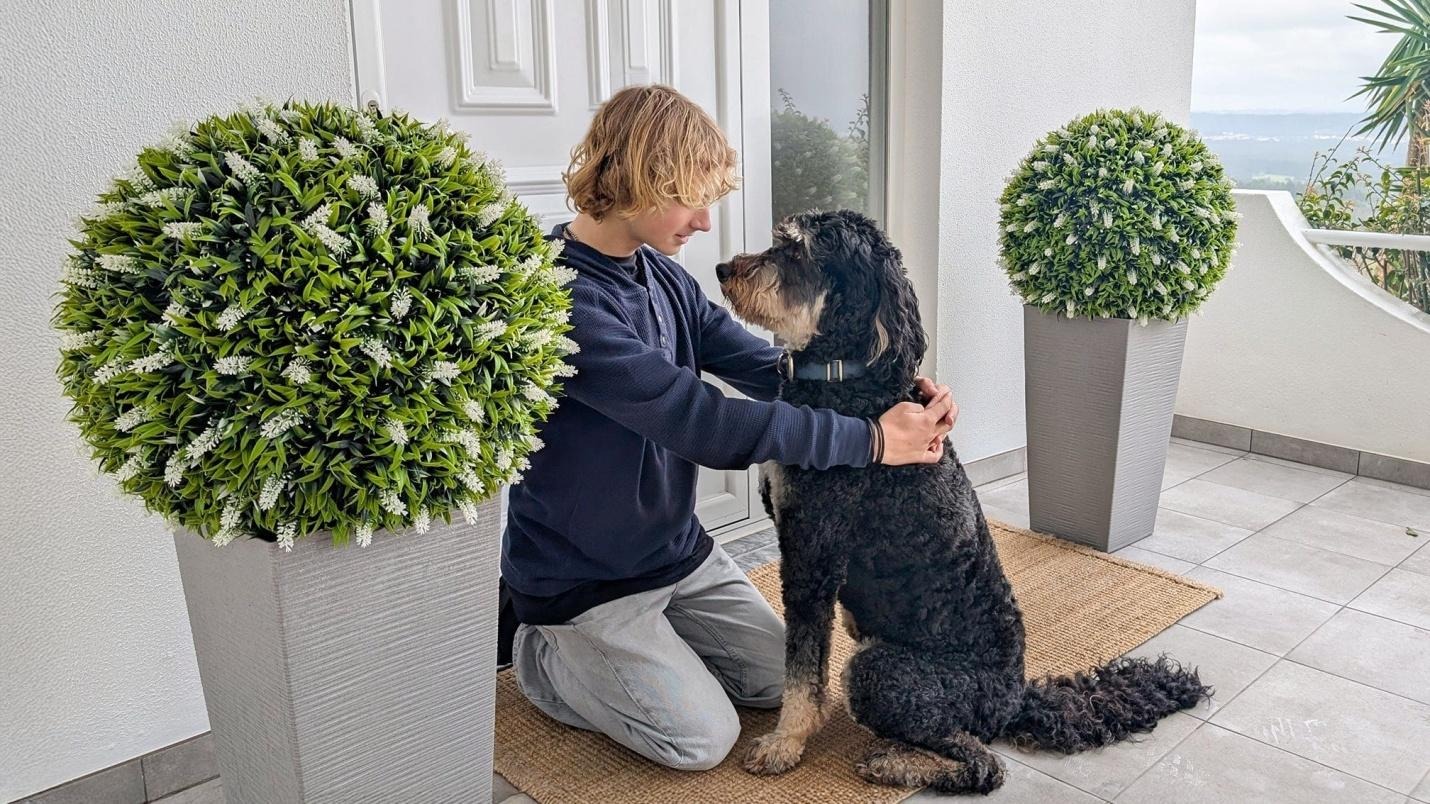
Brands such as 365 Curb Appeal offer a range of outdoor greenery and decorative options that can help homeowners create a more polished exterior while keeping maintenance relatively simple. For someone who wants the look of a well-decorated porch without committing to a full-time gardening routine, this can be a practical solution.
Of course, quality matters. Cheap-looking artificial plants can have the opposite effect, so look for options with realistic colors, natural-looking shapes, and materials designed to handle outdoor conditions.
Think Beyond the Front Door
Although the entrance deserves plenty of attention, curb appeal extends beyond the porch.
Look at the entire front of your property from the street. Is there a long, empty wall? A plain walkway? An awkward corner that feels unfinished? These areas can often benefit from a small amount of greenery or outdoor decor.
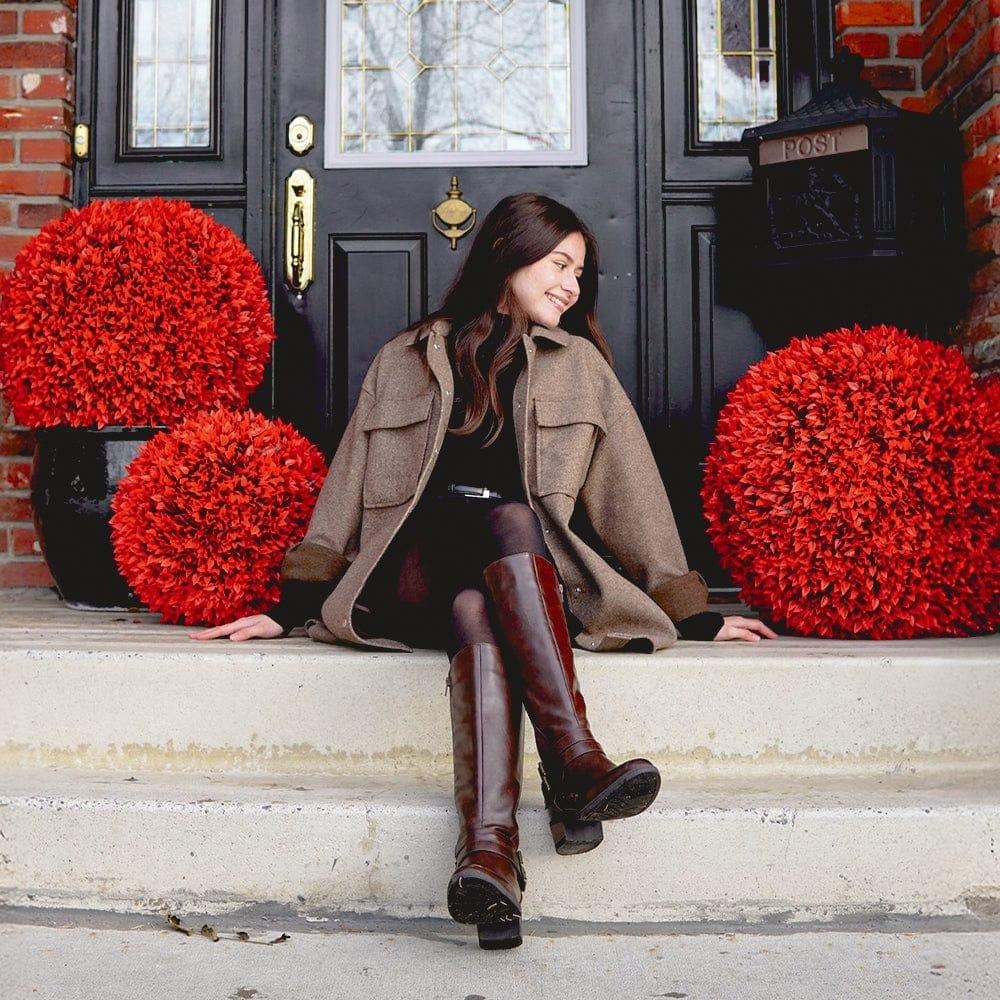
For example, tall planters can work well near the corners of a porch or garage. Smaller plants can help define a walkway. Decorative pots can add interest to areas where planting directly into the ground isn’t practical.
You can also use outdoor decor to connect different areas visually.
If you have a particular material or color around the front door, consider repeating it elsewhere. A planter that picks up the color of your shutters, for instance, can make the exterior feel more cohesive.
These details may seem minor individually, but together they create the impression that the exterior was thoughtfully put together.
Use the Walkway as a Design Element
A front walkway is more than just a way to get from the sidewalk to the front door. It is one of the first things visitors interact with, so it deserves some attention.
Plants can help frame the walkway and make it feel more inviting. Depending on the size of the space, you could use low plants along the edges or place larger containers at key points.
Just be careful not to make the path too crowded.
A walkway should remain easy to use. If visitors have to squeeze between oversized planters or step around decorative objects, the design has gone too far.
Outdoor lighting can also make a significant difference. Small lights along the path can highlight landscaping and make the entrance easier to navigate after dark. They can also give the home a warmer appearance in the evening.
Don’t Overdecorate
This is probably one of the most important things to remember.
When you’re excited about improving your home’s exterior, it is easy to keep adding things. Another planter looks nice. Then you find a decorative sign. Then a statue. Then another pot because there is still an empty corner.
Before long, the porch can look cluttered rather than attractive.
Good curb appeal isn’t about having the most decorations. It is about creating balance.
Take a step back every once in a while and look at the exterior as a whole. If one area feels crowded, remove something. If another area feels empty, add one thoughtful piece rather than several.
Sometimes taking something away improves the appearance more than adding something new.
Choose Decor That Matches Your Home
Outdoor decorations should feel like they belong with the house.
A modern home may look best with clean-lined planters, simple geometric shapes, and restrained colors. A traditional home might work better with classic containers, fuller greenery, and warmer decorative elements.
That doesn’t mean everything has to match perfectly. In fact, a little contrast can make an exterior more interesting.
But there should be some connection between the different elements.
Think about the home’s existing colors, materials, and architectural style before buying outdoor decor. If your house already has several strong visual elements, keeping the plants and decorations relatively simple may create a better result.
Seasonal Updates Keep Things Fresh
One advantage of decorating with plants and outdoor accessories is that you can change things throughout the year.
Spring is a great time for fresh greenery and brighter colors. Summer can be an opportunity to create a more relaxed porch with plants, outdoor seating, and colorful accents. In autumn, warm-toned decorations and seasonal plants can give the entrance an entirely different feel.
You don’t have to redesign everything every season.
Changing just a few elements can be enough. Swap out a planter, add a seasonal wreath, or introduce a different arrangement of greenery. These small updates can make the exterior feel fresh without becoming an expensive or time-consuming project.
Artificial greenery can be particularly useful here because it allows homeowners to maintain a consistent look regardless of the season while changing other decorative pieces around it.
Pay Attention to Scale
One mistake that is surprisingly common in outdoor decorating is choosing pieces that are the wrong size.
A tiny planter beside a large front door may disappear visually. On the other hand, an enormous planter on a narrow porch can make the entire entrance feel cramped.
Before buying anything, consider the amount of space you actually have.
Measure the area if necessary. Think about how tall the plant will be relative to the door, windows, railing, and other features around it. A few minutes of planning can prevent the frustration of buying something that simply doesn’t look right once you get it home.
Scale is especially important when combining several plants. Different heights are good, but there should still be a sense of proportion between them.
Make Maintenance Part of the Design
A beautiful exterior isn’t much fun if maintaining it becomes a weekly headache.
When choosing plants and outdoor decor, think honestly about how much maintenance you’re willing to handle.
If you enjoy gardening, you might prefer seasonal flowers and living plants that require regular attention. If you’d rather spend your weekends doing something else, low-maintenance plants, durable planters, and artificial greenery may be a better fit.
The best outdoor design is one that you can realistically maintain.
There is no point creating a complicated garden that looks fantastic for three weeks and then becomes difficult to manage. A simpler setup that continues looking good throughout the year is often the smarter choice.
Small Changes Can Have a Surprisingly Big Impact
Improving curb appeal doesn’t have to mean spending a fortune or taking on a major renovation.
Start by looking at your home from the street. Notice what catches your eye and what feels unfinished. Then focus on those areas.
Maybe the front entrance needs some greenery. Perhaps the walkway feels too plain. Maybe the porch needs a little personality. Or perhaps the landscaping is already fine but could use a few decorative accents to bring everything together.

Plants and outdoor decor give homeowners plenty of flexibility because they can be added gradually. You can start with one or two pieces, see how they look, and build from there.
The most attractive exteriors usually aren’t the ones filled with the most expensive products. They are the ones where the individual elements work together naturally.
Creating Curb Appeal That Feels Like Home
Curb appeal is ultimately about more than impressing neighbors or making a property look good in photographs. A welcoming exterior can change the way you feel when you arrive home at the end of the day.
A little greenery around the entrance, a comfortable place to sit, a thoughtfully decorated walkway, or even a simple planter can make the property feel more personal.
The best part is that there isn’t one formula that everyone has to follow.
Some homeowners prefer a clean and modern look. Others love a porch overflowing with greenery. Some want colorful seasonal decorations, while others prefer neutral tones that remain attractive throughout the year.
Start with the style you already have, identify the areas that need a little attention, and make changes gradually. Whether you choose living plants, artificial greenery, decorative planters, outdoor lighting, or a combination of all four, thoughtful choices can make a surprisingly large difference.
With the right balance of plants and outdoor decor, even a relatively simple exterior can become warmer, more inviting, and full of character—and that is what good curb appeal is really about.
0




Leave a Reply