Do you want to design your home study workspace as a Japandi home office? As more of us spend long hours working from home, the need for a workspace that feels calm, settled, and genuinely supportive has never been more important. It’s not just about having a desk and a chair that fit — it’s about creating an environment that helps you focus, reduces visual noise, and feels good to spend time in day after day.
The Japandi style of home décor continues to be one of the most popular interior design styles, and it’s a particularly strong choice for home office design. By blending the warmth, functionality, and cosiness of Scandinavian interiors with the elegance, restraint, and mindfulness of Japanese design, Japandi creates spaces that feel balanced, intentional, and quietly sophisticated. It’s a style that prioritises clarity over clutter and calm over decoration — ideal qualities for a productive working environment.
Unlike some minimalist looks that can feel cold or sparse, Japandi embraces softness through natural materials, gentle textures, and a muted colour palette. Think pale woods, warm neutrals, simple silhouettes, and thoughtfully chosen pieces that serve a purpose. This “less but better” approach encourages you to be intentional with what you bring into your workspace, helping to eliminate distractions while still creating a space that feels welcoming and personal.
A well-designed Japandi style home office supports clearer thinking and smoother workflows without feeling corporate or overly styled. Whether your workspace is a spare room, a quiet corner of your living area, or a compact garden office, Japandi principles can be adapted to suit your space and the way you work. If you’re interested in creating your own Japandi office for homeworking that seamlessly blends beauty with function, read on for essential tips on nailing the Japandi-style office look.
What makes Japandi style ideal for home office decor?

Japandi interior design emerged from a fusion of Japanese and Scandinavian design styles. Merged together, they create a harmonious blend of Japanese minimalism and Scandinavian design principles and produce a well-balanced and functional decor style.
Some of the key elements at the heart of Japandi design involve a focus on light spaces, clean lines, natural materials, warm neutral colors and uncluttered decor – all factors that can contribute to a healthy workspace. Although some people may be able to work successfully in a busy and cluttered office, there’s a lot to be said for minimal decor for aiding productivity and concentration, removing unnecessary clutter and minimising distractions.
The simple style of Japanese design coupled with the warm earthy hues and well-chosen materials of Scandi style helps Japandi interiors become clean, uncluttered and cosy spaces. The converging principles blend together to create a harmonious combination of functionality that provides home office spaces with a feeling of serenity – you’ll want to go to work or be at your desk in your Japandi home office space, as it’s an enjoyable work environment to be in!
How to nail Japandi style in your home office

When it comes to creating a Japandi-style home office, the focus should always be on calm functionality and thoughtful simplicity. Every design decision should support how you work, while also contributing to a space that feels settled, intentional, and easy to spend time in.
Furniture in Japandi home office design is defined by clean lines, practicality, and restraint. Rather than filling the room with multiple pieces, adopt a “less but better” approach and choose only the essentials you truly need — typically a desk, a comfortable chair, considered storage, and well-chosen lighting. Keeping furniture to a minimum helps the space feel open and uncluttered, which is particularly important in a working environment where concentration matters. Where possible, wall-mounted shelves or floating storage can help maintain a lighter, more breathable feel compared to bulky floor units.
Quality matters just as much as quantity. Japandi interiors place a strong emphasis on craftsmanship, durability, and natural materials. If budget allows, invest in well-made furniture that will age beautifully over time, such as Scandinavian-inspired pieces or artisan-made designs. Choosing fewer, higher-quality items not only supports the aesthetic but also aligns with the Japandi philosophy of intentional living.
Natural wood finishes: Aim to keep furniture in your Japandi-inspired workspace within a consistent wood tone to create visual harmony. Light woods and medium colouredwoods such as oak, ash, or beech work particularly well and help reinforce Japandi’s strong connection to nature.
Desk: For your Japandi desk set-up, choose a minimalist desk with clean lines and a natural wood finish to add warmth and texture. A solid wood desk with straight or softly rounded edges feel timeless and integrate seamlessly into Japandi-style spaces.
Seating: A comfortable chair is essential for both wellbeing and productivity. Look for office chairs in designs that combine simplicity with ergonomics, such as light wood chairs paired with natural fabrics or leather in soft, earthy tones.
Storage solutions: Clutter quickly disrupts the calm balance Japandi interiors rely on, so smart storage is key. Opt for closed cabinets, low bookcases, or simple shelving that allows you to keep surfaces clear. Natural wood shelving or white cabinetry works particularly well, helping storage blend into the background rather than dominate the space.
By keeping furniture choices purposeful, restrained, and well-made from organic materials, you can create a Japandi home office that feels calm, functional, and effortlessly balanced.
Choose plenty of natural materials

The use of natural materials and natural fibers is key to successful Japandi home office designs. The natural grain of wood in furniture, shelves, and decor elements adds an organic quality. Japanese and Scandinavian designs both favor lighter wood tones like pine, oak, and ash.
Look for Japandi furniture, accessories and decor made from sustainable materials and warm textures, such as natural wood, bamboo, rattan, hemp or cork. They’re more environmentally friendly and bring a touch of nature into what can sometimes be an artificial working environment. They’re also more appropriate for a Japandi office space than pieces made from synthetic materials and help add to the timeless design style of Japandi.
Wooden furniture, such as a simple wooden desk, is ideal for a modern Japandi office. You can enhance the decor in a room and add personal style by laying a woven rug or jute rug underfoot, hanging a cork noticeboard on the wall and choosing curtains or blinds made from hand woven cotton or linen.
Add colour in your Japandi home office

Don’t be fooled into thinking that one of the essential elements of a Japandi home office needs to be a neutral color palette that is completely devoid of colour – far from it!
Whilst neutral tones and light colours do tend to make up the base of Japanese style office design, warm earth tones, soft grays, warm grays, and muted shades are perfect for adding a sense of warmth and cosiness to the room to help interior designers create a serene environment. Ideal colours to consider include earthy shades of sandstone, taupe or soft grey, as well as muted blues, greens or a touch of pink.
Soft and neutral color palettes resonate with japanese simplicity and can help create a calm and inspiring place to work. You can add additional colour to your japandi color scheme and to the design of your workspace through paint, wallpaper, accessories and soft furnishings.
Here are some basic interior design principles to help you build up a color scheme for your Japandi style home office:
Minimal accent colours: While Japandi spaces are mostly neutral, a few carefully chosen accent colours like deep blue or forest green can add a subtle pop of colour and visual interest without overwhelming the room.
Start with neutrals: Choose a neutral base for the walls, such as white, beige, or soft gray. These colors create a blank canvas that enhances the natural elements in the room.
Introduce earthy tones: Add depth with accents in earthy colors, such as terracotta, muted greens, and charcoal. Use these in furnishings, decorative items, or even a feature wall to bring a grounded feel.

If you’re unsure of what colour palette would work best for your requirements, have a look at the Japandi paint colour palette curated by Suleyman, an architect who runs the ColorConcept store on Etsy.
Enhance natural light

Lighting plays a vital role in shaping the mood and functionality of a Japandi-style home office. It’s always beneficial to maximise natural light where possible in a home office, not least because it supports wellbeing, helps regulate your body clock, and can improve focus and productivity. If you can, position your desk close to a window so you’re working with daylight rather than against it. Both Japanese home office ideas and Scandinavian design philosophies place a strong emphasis on connection to the natural world, so allowing daylight to flow freely into your workspace feels entirely in keeping with the Japandi approach.
Be mindful of how light enters the room throughout the day. Sheer curtains, linen blinds, or light-filtering screens can soften harsh sunlight without blocking it entirely, helping to reduce glare on screens while still keeping the space bright and airy. Avoid heavy window treatments that absorb light or make the room feel enclosed, as Japandi interiors thrive on openness and visual ease.
When it comes to artificial lighting, layering is key. Simple desk lamps and task lighting should provide enough illumination for focused work without feeling harsh or clinical. Choose lamps with soft, warm bulbs to create a calm, inviting glow that balances productivity with comfort.
Floor and table lamps with rice paper, fabric, or linen shades are particularly well-suited to the interior style of Japandi spaces, as they diffuse light gently and introduce subtle texture. A well-placed standing lamp in a darker corner can lift the overall atmosphere of the room and prevent it from feeling flat or shadowy.
Overhead lighting should feel simple and considered rather than dominant. Minimal pendant lights with organic shapes – such as rounded, oval, or softly sculptural forms – add a modern yet understated focal point. Materials like wood, bamboo, ceramic, or matte metal help maintain a natural, grounded feel and avoid anything too glossy or industrial. Dimmable fittings are especially useful in a home office, allowing you to adjust the light levels throughout the day and transition smoothly from focused work to a more relaxed evening atmosphere.
Ultimately, good Japandi lighting is about balance: bright enough to work comfortably, soft enough to feel calm, and always designed to enhance the sense of harmony within the space rather than compete for attention.
Place plants in your Japandi home office

Like other interior styles and biophilic design, Japandi home décor will always benefit from the addition of indoor plants. The natural textures and colours of the leaves will add a splash of colour and bring a sense of nature and tranquility into your workplace.
Don’t overcrowd your workspace with plants. Instead, place one or two small plants on the desk, or a larger one in the corner of the room, to create a balanced and airy feel.
Choose plants for your workspace that will sit neatly on a desk, windowsill, shelf or top of cupboard, or in a pot in the corner of a room. If you’re placing the plant on an upper shelf, you could have a plant that hangs down slightly over the side of the shelf to create a feature point.
The key to using plants in a Japandi office style is to remember the importance of a clutter-free environment; less is more, so don’t put too many plants in the room.
Choose minimalist plants over big, bushy options. Plants like snake plants, monstera, or bonsai trees align well with Japandi aesthetics due to their sculptural shapes and minimal care requirements.
Use neutral-toned planters made of natural materials like clay, ceramic, or terracotta. Avoid overly decorative pots, as simplicity is key in Japandi decor.
Use minimal accessories
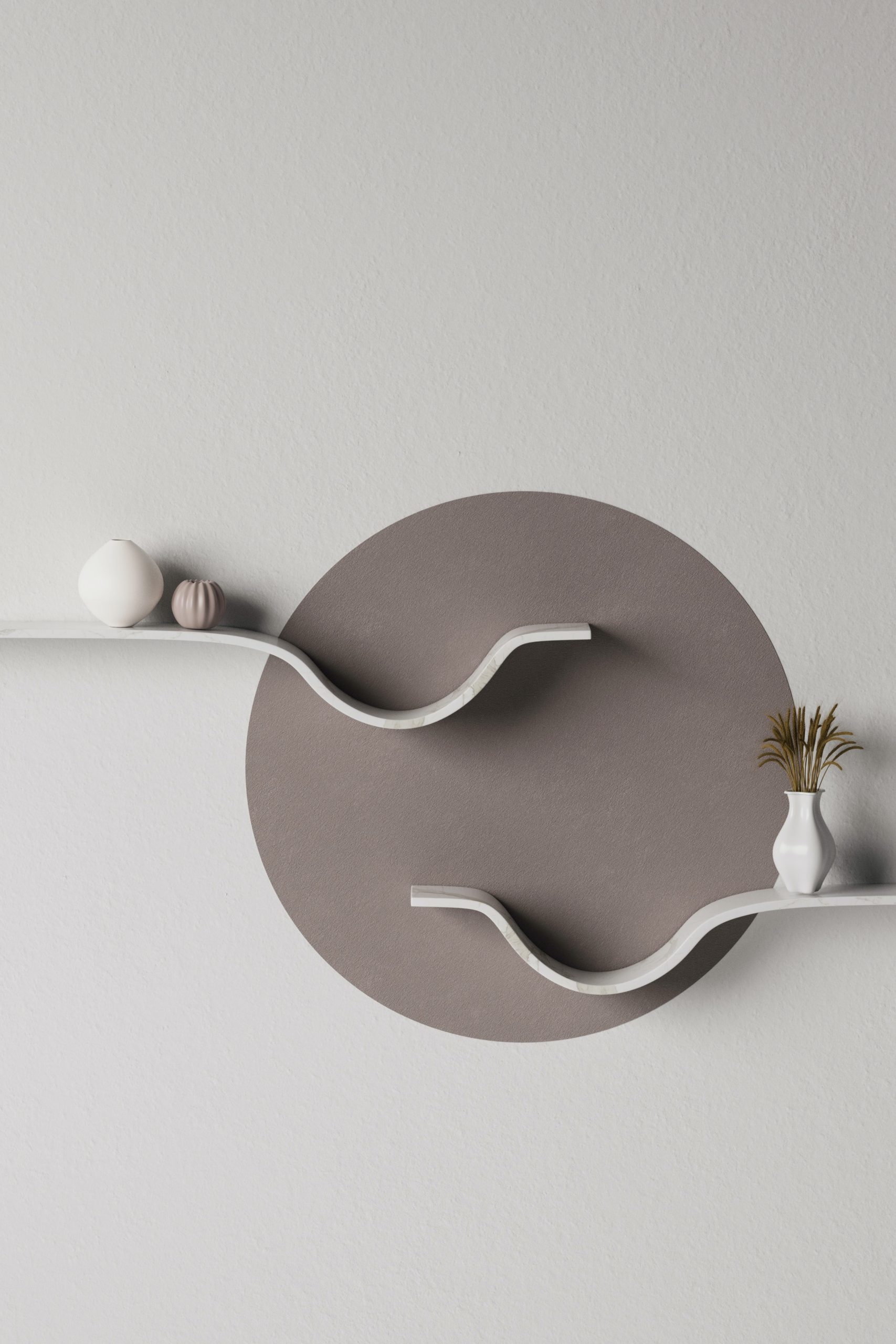
Japandi decor leans toward minimalism, so every decorative item should have a purpose or bring a sense of peace. When it comes to adding accessories and decor to your Japandi home office space, aim to choose a few key decorative elements to keep it clutter-free. Opt for simple items like a ceramic vase, a small stone sculpture, or a woven basket for storage.
Try and work on the principle to only include items which help or inspire your work and comfort and remove those that don’t. It’s often said that an uncluttered office can lead to a clearer mind, which is certainly conducive to productivity.
Accessories in Japandi decor often have a connection to nature or traditional craftsmanship. Consider adding a Japanese-style tea set, a small incense holder, or a Scandinavian candle holder for a touch of authenticity.
Hang inspiring artwork

Enhance your study walls by hanging some carefully chosen artwork that inspires without overwhelming the space. In a Japandi-style home office, wall art should support focus and calm rather than compete for attention. Think of artwork as a quiet backdrop to your working day, something that adds depth and character while allowing your mind to stay clear and settled.
Wall art in Japandi spaces and Japanese interiors is typically abstract, understated, and muted in colour, helping to reinforce the serene atmosphere. Look for prints and pieces that feature organic shapes, soft lines, natural textures, or gentle tonal shifts. Simple black-and-white photography, minimalist landscapes, or abstract forms inspired by nature all work beautifully and feel timeless rather than trend-led.
Scale and placement matter just as much as the artwork itself. A single larger piece can feel more intentional and calming than a cluster of smaller frames, particularly in a workspace where visual clarity is important. If you do opt for multiple pieces, keep them cohesive in tone and style, and give each one enough breathing room so the wall doesn’t feel cluttered.
When it comes to frames, choose natural materials such as light or mid-toned wood, bamboo, or slim matte black frames to echo Japandi’s balance of warmth and simplicity. Avoid ornate detailing or high-gloss finishes, which can disrupt the calm aesthetic. Even leaning a framed print on a shelf or sideboard rather than hanging it can feel more relaxed and in keeping with the Japandi approach.
Finally, consider the emotional impact of what you hang. Japandi design is rooted in mindfulness, so artwork that evokes stillness, nature, or quiet reflection can subtly influence how the space feels throughout the day. The goal isn’t to fill empty walls, but to choose pieces that gently enhance the atmosphere and make your home office feel considered, personal, and easy to work in.
Create a sense of balance and flow
The Japanese influence of balance and flow are essential components of Japandi decor. They help make the whole room feel open, airy, and conducive to concentration.
Don’t feel the need to fill every wall or surface. Negative space is an important part of Japandi decor, allowing each piece to stand out and contribute to a peaceful atmosphere.
Create a harmonious layout by arranging furniture to allow for a natural flow of movement. Avoid cluttering pathways, and ensure that the arrangement feels balanced and intentional.
Japanese design often favors asymmetry, while Scandinavian design is more symmetrical. Mix both in your design approach by creating visual balance but allowing for some variation, such as placing a plant on one side of the desk and a lamp on the other.
Maintaining the Japandi aesthetic
A Japandi home office isn’t just about the initial setup; it’s about maintaining a clean, calm, and thoughtfully curated space over time. The beauty of Japandi lies in how it feels to work in day after day, so small, consistent habits matter just as much as furniture choices.
Here are some practical ways to keep your home office setup looking fresh, harmonious, and supportive of focused work.
Regular decluttering: Keep surfaces, such as your Japandi office desk, clear and uncluttered. Visual calm plays a huge role in mental clarity, so it’s worth doing quick daily or weekly resets. Take a moment to assess what’s on your desk and shelves and remove anything that isn’t essential to your work or wellbeing. Even a tidy five minutes at the end of the day can help your workspace feel calmer the next morning.
Mindful storage: Use smart storage solutions such as drawers, cabinets, and concealed storage to keep paperwork, cables, and everyday clutter out of sight. Japandi storage should feel intentional rather than hidden chaos, so choose pieces made from natural materials like wood, bamboo, or rattan. For items you reach for often, opt for understated storage such as woven baskets, ceramic pots, or simple wooden trays that complement the Japandi palette without adding visual noise.
Quality over quantity: Japandi spaces are carefully edited, not filled. Keep only items that serve a clear purpose or genuinely bring you joy. This might mean choosing one beautifully made pen holder instead of several novelty accessories, or displaying a single meaningful object rather than multiple decorative pieces. Avoid adding anything purely for the sake of filling space, as this can quickly disrupt the Scandinavian functionality and calm balance Japandi is known for.
Consistent materials and tones: Maintaining the aesthetic also means being mindful of what you introduce over time. Try to stick to neutral palettes and natural finishes when adding new items, whether that’s stationery, tech accessories, or storage. Consistency helps the space feel settled and cohesive rather than pieced together.
Create gentle routines: Finally, treat tidying and resetting your workspace as part of your working rhythm. Japandi design aligns beautifully with mindful habits, so viewing maintenance as a calming ritual rather than a chore can help your home office remain a space you enjoy spending time in.
Final thoughts
Creating a Japandi-inspired home office is about more than just aesthetics; it’s about fostering an environment of calm and focus and utilising the simplicity of Japanese design. By blending the best of Japanese and Scandinavian design philosophies, you can create a work area that plays a crucial role in your mental health and one that offers both serenity and calm functionality.
With the earthy tones of Scandinavian warmth, soft lighting, subtle textures and natural elements, Japandi style home decor works well in a home office setting, helping to create a calming, comforting and inspiring dedicated room in which to work. By applying the principles of Japandi interior design styling to your office space, you can curate the perfect small office space in which to spend your working hours.
0




I adore this style so much! It really inspires me to start doing work and just get things done not in a punishing way! Looks so comforting, calm and generally dope! I love this color palette and décor things like those shelves. So smooth! I think this style is an actual reflection of my values: minimalism, nature-oriented design with actually adding pieces of nature into your home, bright colors and kind of classy style. I adore is I already said hahaha this style and I am sure I will design my house in this way when I move! Thank you for this article!